
Industries
Property management and multi-tenant building cleaning in Pleasanton
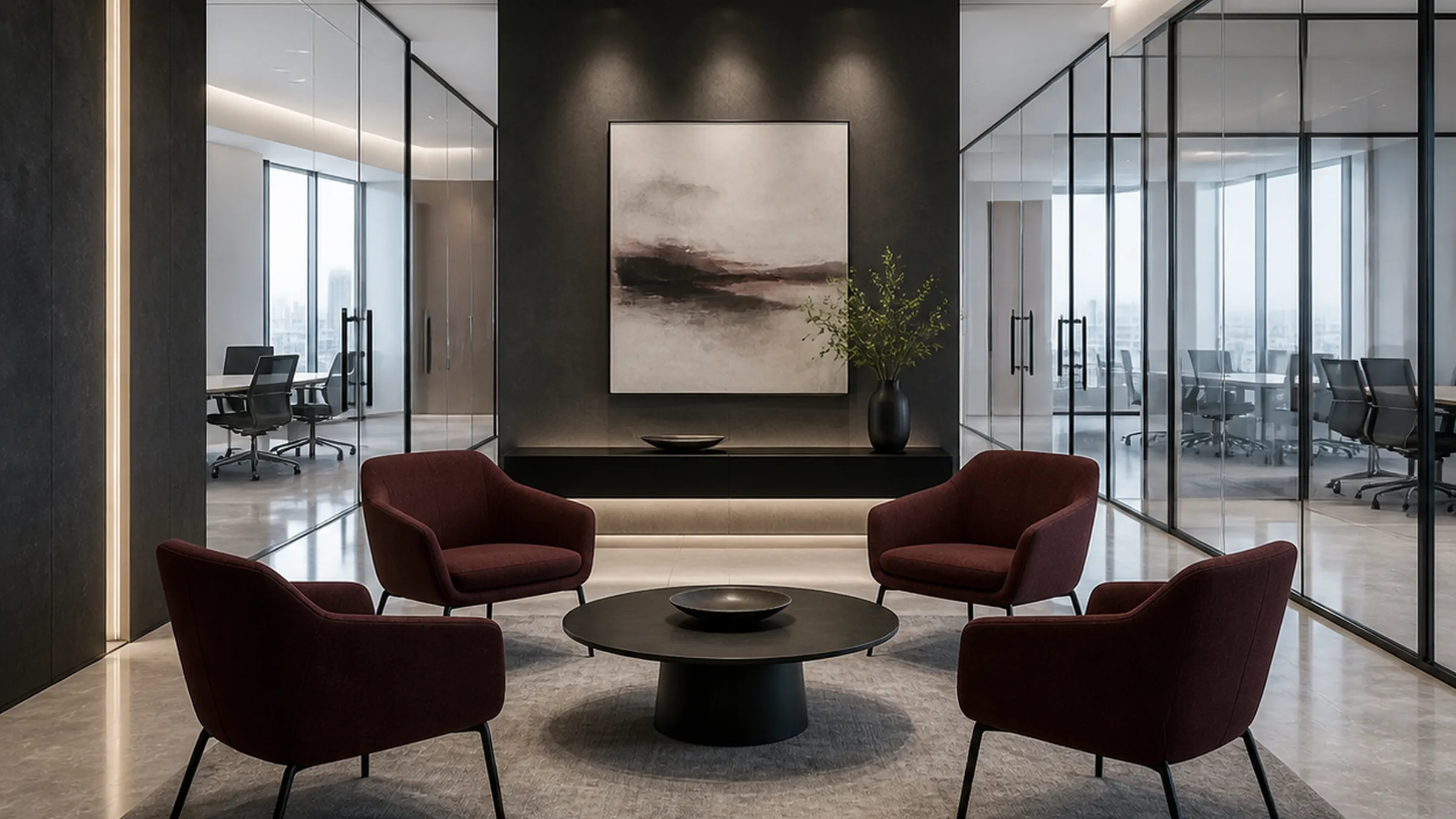
Shared lobbies, elevator cabs, corridors, restrooms and vacated suites in managed Pleasanton buildings, kept in step so every tenant walks into the same calm, finished interior.
Shared spaces that speak for the whole building
In a managed building, the common areas are the part every tenant shares and no tenant owns. The entry vestibule, the lobby seating, the elevator cabs, the stair cores, the corridor carpet and the shared restrooms all carry the property’s name, so they are where a cleaning program earns its keep. Pleasanton Janitorial treats those rooms as the backbone of the plan: glass doors and directory boards wiped, elevator walls and thresholds detailed, drinking fountains polished, corridors vacuumed edge to edge and restroom fixtures cleaned and restocked on every visit.
A building may add shared amenities on top of that. A tenant conference center, a fitness room with lockers, a bike room near the parking structure or a mailroom by the lobby each get their own line on the checklist, with a frequency matched to how heavily the building uses them. The result reads as one consistent standard from the front door to the farthest suite.
Business park clusters, retail-area offices and downtown buildings
Pleasanton’s managed properties come in a few distinct shapes. Pleasanton’s large business parks group low- and mid-rise office buildings into campus-like clusters. Those buildings tend to share a lobby, an elevator bank and restroom cores across several tenants per floor, and the ones nearest transit see a steady stream of commuters walking in.
Near the shopping districts, office buildings and service suites share parking, entries and lobbies with neighbors who keep very different hours. Downtown, older storefront buildings often stack professional suites above shops and restaurants, so one stairwell and one restroom core can serve both. Apartment communities across the city carry leasing offices, clubhouses and mail areas that need the same steady care as an office lobby.
Tenant suites on their own checklists
Inside the suites, each tenant has its own floor plan, hours and priorities. A law office wants conference rooms reset every night, while a tech tenant on the floor above cares most about its kitchen and open work area. We write a separate checklist for every suite the building includes, so the property manager can see at a glance which rooms belong to the building’s common areas and which belong to a tenant. Suites can follow the full office cleaning routine, and storefront tenants on the ground floor fit the retail store cleaning plan.
Tenant requests come through whichever channel the manager prefers. A one-off carpet spot after a spill, an extra restroom service before a client event or a deeper clean ahead of an inspection is scheduled as an add-on, without disturbing the rest of the route. Where lobbies and shared restrooms stay busy through the day, a day porter keeps them presentable between the evening visits.
Vacated suites made ready for the next lease
When a tenant moves out, the empty suite becomes the showing space for the next one. Turnover cleaning starts at the ceiling vents and light lenses and works down: walls spot-cleaned and scuffs lifted, door frames and switch plates wiped, window sills and interior glass detailed, restrooms and kitchenettes scrubbed down to the cabinet interiors and appliance surfaces. Carpet gets hot-water extraction, and hard floors get scrubbing or a full strip-and-refinish so the suite shows bright from the doorway.
The work is scheduled against the lease calendar the manager shares, between the move-out walk and the first showing or the new tenant’s keys. When the incoming tenant plans a build-out, the suite moves through post-construction cleaning after the trades finish, then joins the recurring route. Lobby floors benefit from the same attention: periodic floor care covers strip-and-refinish on vinyl tile, scrubbing of concrete in loading areas and stair cores, and natural stone care for marble or terrazzo entries.
Recycling rooms and Pleasanton’s bin rules
Pleasanton asks businesses and multifamily properties to set out labeled indoor bins for recycling, organics and garbage.
Crews put liners in the right containers, keep labels visible and carry the three streams to the enclosure separately, noting any bin that keeps collecting the wrong items so the manager can follow up.
Paperwork and follow-through for your vendor file
Property managers carry a vendor file for every company that holds a key. Pleasanton Janitorial carries insurance and workers’ compensation coverage and sends a certificate of insurance to every client, ready to file with the building’s other vendor paperwork. Crews are background-checked before they work in a building, and supervisors walk the property on quality inspections, checking the lobby, the restroom cores and a sample of suites against the checklist.
You can reach us 24/7, and every message gets an answer within one business day. That gives a building manager one contact for a tenant’s spill, a change in the alarm code or a new suite joining the route, instead of chasing separate vendors floor by floor.
What common-area and suite cleaning costs in Pleasanton
Five-night office cleaning in Pleasanton typically runs $0.16 to $0.24 per square foot each month, based on 2026 ranges from published market data. Common areas often sit toward the upper half of that band, because lobbies, elevator cabs and restroom cores take more detail work per foot than a quiet private office. Tenant suites price on their own footage and visit frequency.
The factors that move a building’s total are the share of footage in common areas, the number of restroom cores, the number of separate tenant checklists, daytime porter hours, and periodic projects such as carpet extraction, floor refinishing or vacant-suite turnover. A walkthrough with the property manager sets the plan for each part, and the written quote lists them side by side. Shared surfaces that tenants touch all day can also add routine disinfection and sanitizing.
A few useful answers
Common questions.
Can the common areas and each tenant suite be billed separately?
Yes. The building’s common areas and each tenant suite carry their own checklist and line on the quote, so costs can be passed through or billed directly to the tenant, whichever the lease calls for.
How is a vacated suite scheduled between tenants?
Share the move-out date and the next showing or move-in date. The turnover clean, including carpet extraction or floor refinishing, is booked inside that window, and build-outs get a post-construction clean once the trades leave.
Does the property manager get a copy of your insurance certificate?
Yes. Every client gets a certificate of insurance, sent straight to the property manager for the building’s records, alongside proof of workers’ compensation coverage.
Do you clean apartment community common areas as well as office buildings?
Yes. Leasing offices, clubhouses, fitness rooms, mail areas, corridors and shared restrooms in Pleasanton apartment communities follow the same checklist approach as an office lobby.
How do tenants report a cleaning issue?
Through the property manager or a contact the manager names, and supervisors check the reported area on their next quality inspection.